


Read our 2025 annual report

Knowledge Hub
 Learning Paper
Disability-Inclusive Livelihoods in Afghanistan
This learning paper presents lessons from Concern Worldwide’s experience of integrating disability inclusion into livelihoods programming through the three-year FARAGIR programme in Afghanistan.
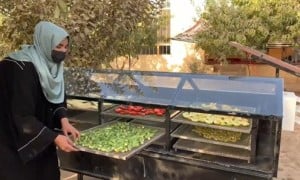
Implemented in Badakhshan and Takhar provinces, Concern’s work explored how identifying barriers, assessing individual needs and adapting mainstream activities could strengthen the participation of persons with disabilities. Participants engaged in livelihood activities, Self-Help Groups, cash-for-work initiatives and local decision-making structures. Specialist support from Humanity & Inclusion helped address accessibility requirements and enabled appropriate assistive device provision.
The paper shares practical lessons on designing disability inclusion into programmes from the outset, tailoring support to participants’ capacities and preferences, and combining accessible delivery with specialist expertise. It also highlights the importance of addressing stigma, promoting meaningful participation and strengthening disability-disaggregated data. These lessons can support the development of more accessible, participatory and responsive livelihoods and recovery programmes in Afghanistan and similar humanitarian contexts affected by prolonged crisis and displacement.



 Evaluation